

Comparing Vinyl Fencing to Wood and Metal Alternatives
Exploring the Options for Your Fencing Needs
Choosing the right material for your fence is an important decision. The choices include vinyl, wood, and metal, each with its own set of benefits and drawbacks. This guide will help you understand these options, so you can make an informed choice that meets your needs and preferences. Whether you’re looking for durability, aesthetics, or low maintenance, comparing these materials will lead you to the best decision for your property.
The Appeal of Traditional Wood Fences
Wood fences have long been a favorite due to their natural appearance and versatility. You can paint or stain them any color, giving you creative freedom. However, they require regular maintenance, such as painting or sealing, to prevent rot and insect damage. While wood fences offer beauty and customization, their upkeep can be time-consuming and costly over time.
Durability and Strength in Metal Fences
Metal fences, including aluminum and steel options, are known for their strength and security. They can withstand harsh weather conditions and offer a modern look. Despite their durability, metal fences may rust if not properly treated or maintained. Their initial cost can also be high compared to other materials. Still, the longevity and security benefits often justify the investment.

Low Maintenance Benefits of Vinyl Fencing
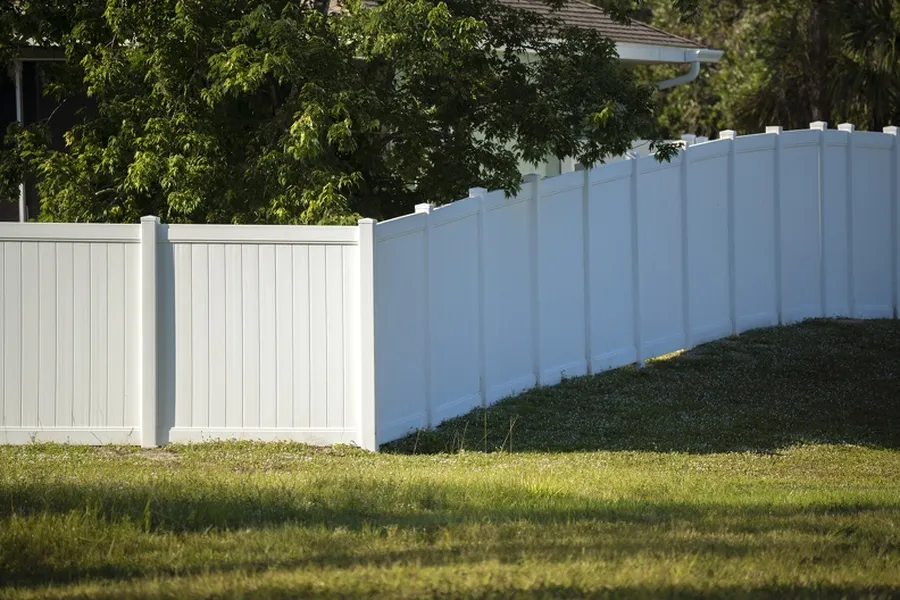
vinyl fencing is popular because it requires little maintenance. Unlike wood, it does not need painting or staining. It’s resistant to pests and does not rot. Cleaning a vinyl fence is simple; just use soap and water. While the upfront cost might be higher than wood, the long-term savings on maintenance make vinyl an attractive option for many homeowners.
Design Flexibility With Vinyl Fencing
One advantage of vinyl fencing is its design flexibility. It comes in various styles and colors, allowing you to choose a look that complements your home. It can mimic the appearance of wood without the associated upkeep. Whether you want privacy panels or picket-style fences, vinyl offers numerous possibilities for customization while maintaining durability.
Cost Considerations for Each Material
When deciding between fencing materials, cost plays a significant role. Wood fences tend to have lower initial costs but incur more expense over time due to upkeep. Metal fences have higher initial costs but offer long-lasting durability. vinyl fencing usually has a moderate upfront cost with minimal ongoing expenses, making it cost-effective in the long run.
Environmental Impact and Sustainability
Sustainability is another factor to consider when choosing a fence material. Wood is renewable but requires treatment with chemicals that can harm the environment. Metal production has a significant carbon footprint but offers recyclability at the end of its life cycle. Vinyl, made from PVC, is less eco-friendly during production but has a long lifespan, reducing replacement frequency.
Making the Best Choice for Your Property
Selecting the right fencing material depends on your priorities-whether it’s low maintenance, strength, aesthetic appeal, or environmental impact. If you value easy upkeep and variety in style, vinyl might be your best bet. For those prioritizing strength, metal could be ideal. If natural aesthetics are key, wood remains unmatched despite its maintenance demands.
Your Next Steps Toward A New Fence
Evaluate your property’s specific needs before choosing among wood, metal, or vinyl fences. For expert advice tailored to your location, contact me today at (509) 794-9981. Located in Moses Lake, WA, I provide comprehensive support through All Day Fencing LLC. Ready to enhance your property’s boundary? Reach out now!